


Interview with Dr. Kyle Wilson
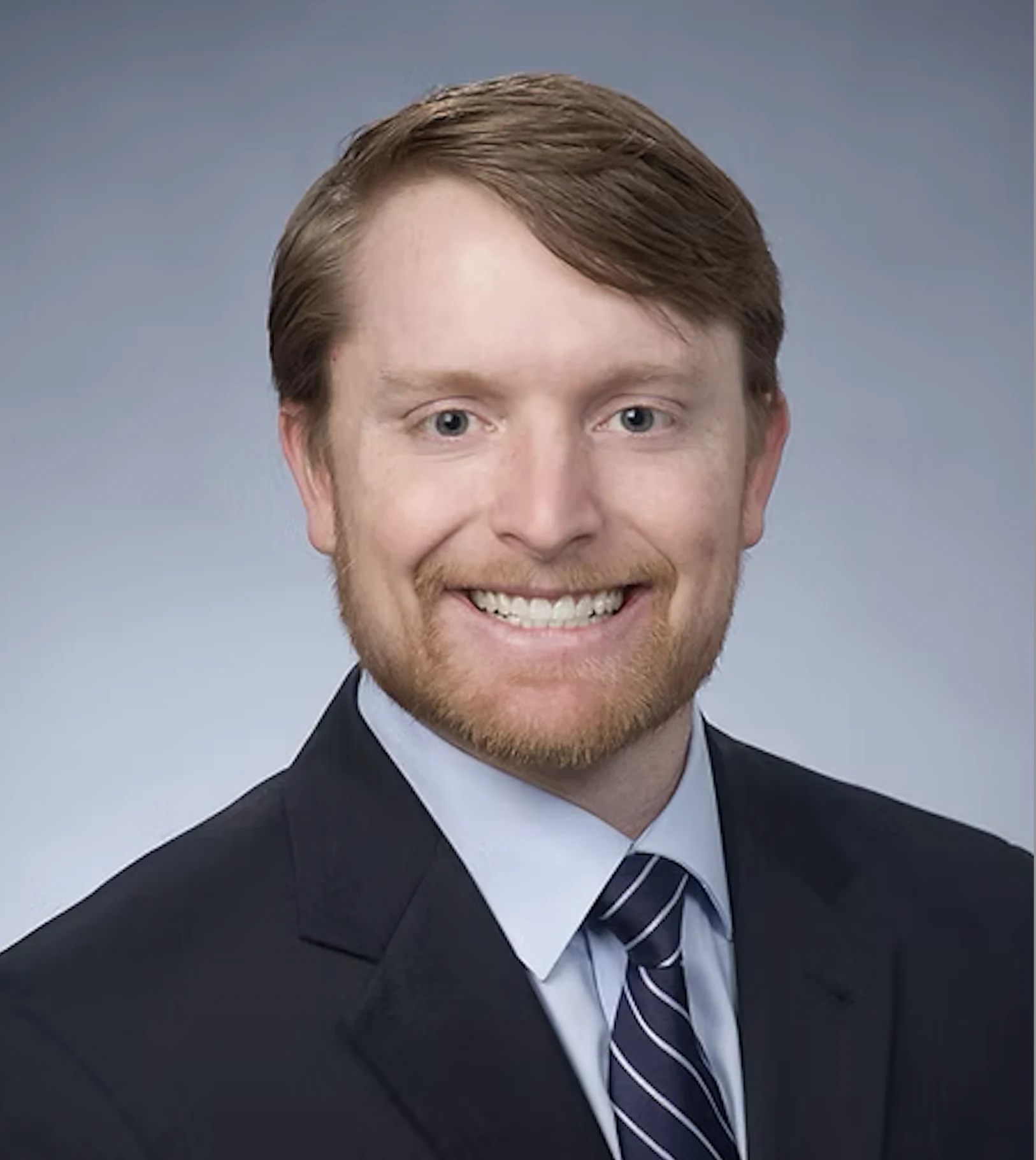
Spotlight Series Topic: A Deep Dive into Sports Medicine with Dr. Kyle Wilson
Guest Name: Dr. Kyle Wilson, MD Sports Medicine, Shoulder, Elbow & Knee Reconstructive Surgery
Guest Credentials: Sports Medicine, Shoulder, Elbow & Knee Reconstructive Surgery
Discussion Details: Spotlight Series: Orthopedic Surgeon Dr. Kyle Wilson on Sports Injuries and Treatment
Join Anthony of Avila Physical Therapy in a compelling spotlight episode featuring Dr. Kyle Wilson, a leading orthopedic surgeon specializing in sports medicine. Dr. Wilson shares his personal journey, emphasizing the importance of time management and perseverance—qualities honed during his college athlete days. He delves into the profound meaning behind assisting patients in their recovery and the complexities of various orthopedic procedures.
Discover the crucial role of patient commitment in achieving successful outcomes, the transformative impact of technology on diagnostics, and the ongoing discussion surrounding stem cell therapy. The conversation further explores the intricacies of ACL and rotator cuff surgeries, highlighting the indispensable role of physical therapy in the recovery process. Don’t miss this insightful conversation aimed at helping athletes and active adults stay strong and pain-free.
00:00 Introduction to Dr. Kyle Wilson
01:00 Dr. Wilson’s Journey into Orthopedics
01:57 The Importance of Time Management
02:49 Helping Patients Beyond the Medical Side
05:10 Defining Exceptional Care
06:43 Common Conditions and Treatments
08:03 The Role of Research and Patient Involvement
09:07 Misunderstandings in Orthopedic Treatments
15:43 The Value of Thorough Examinations
17:46 Considerations for Major Surgeries
29:39 Recovery Expectations and Physical Therapy
31:04 Conclusion and Final Thoughts
Benefit of Watching: In this episode of the Coastal Bend Spotlight Series hosted by Anthony, Dr. Kyle Wilson, a board-certified orthopedic surgeon specializing in sports medicine, shares his journey and insights. Dr. Wilson discusses his background in sports, the importance of time management, and his commitment to helping patients stay active through various treatments, including arthroscopic surgeries and total shoulder replacements. He emphasizes the significance of patient education, thorough examinations, and the role of physical therapy in successful recovery. The conversation also covers common injuries, the relevance of imaging studies, and the potential pitfalls of quick fixes like stem cell therapy. Dr. Wilson advocates for a collaborative approach between patients and healthcare providers to ensure the best outcomes.
Address of guest’s business: 5917 Crosstown Expressway SH 286, Corpus Christi, TX 78417
Anthony Avila: Hey guys, Anthony Ava, doctor of physical therapy, owner of Avula Physical Therapy, host of your Coastal Ben Spotlight series. Today we’re spotlighting a surgeon who represents the highest level in sports medicine. Dr. Kyle Wilson is a board-certified orthopedic surgeon, fellowship trained in sports medicine at Mississippi Sports Medicine and Orthopedic Center. He specializes in arthroscopic shoulder, elbow, and knee surgery, ultrasound-guided injections, and total shoulder replacements, helping athletes and active adults stay strong and pain-free. Beyond the operating room, he’s received multiple awards for teaching and research, served on international medical missions in Guatemala and Kenya, and continues to advance orthopedic care through innovation and compassion. Let’s dive into his story and welcome Dr. Kyle Wilson.
Dr. Kyle Wilson: I appreciate that intro, Anthony.
Anthony Avila: Great. Thank you so much for joining us today. We’d absolutely love to hear more about your story. You know, how did you develop a passion for helping people stay active? Is athletics a part of your story? And why did you choose to become an orthopedic surgeon?
Dr. Kyle Wilson: That was definitely the introduction for me to orthopedics. Growing up playing sports, playing football, then playing in college and getting introduced to our team orthopedic surgeon, where I played in college at Texas Lutheran, that was really my first introduction to sports medicine—not really growing up around it—and just really loved it and it really took off from there. Got involved in research, got involved at a surgery center, and the rest is history.
Anthony Avila: So would you say anything ties from those football days as far as, you know, being able to get to that level of competition? There’s a lot of work ethic, team building, that kind of thing. Does any of that contribute to what you do today on a day-to-day basis?
Dr. Kyle Wilson: It certainly does. I would say time management is what I often—I get this question a lot. Time management, I think, is probably my default answer, and it’s a good answer. You go through years and years of hours-long practices in a day and having to balance that with your studies, etc. You transition away from playing sports and you just feel like you have so much time on your hands. You can reallocate that intensity, that commitment, and you just feel like you have a ton of time. I remember getting out of playing football and just feeling like so much time on my hands.
Anthony Avila: Yeah, I would say time management, perseverance—definitely important not only in the college days, but as you mentioned, as you transition into a work environment. And with that, I know a lot of patients come into your office with shoulder or knee injuries, and there can be a drastic change to someone’s ability to carry out their own day-to-day routines. Whether it’s an everyday parent trying to keep up with their job or an athlete who all of a sudden has to step away from everything they’ve worked so hard to accomplish. Now, these clients are coming to you in your office and seeking your help. So, is there a deeper meaning for you beyond the medical side of things as to being able to help these patients?
Dr. Kyle Wilson: Oh yeah. And I think that’s one of the things I enjoy most about orthopedic surgery—getting people back to that baseline level. You can get people back to doing what they love to do. The goal for me is not to necessarily manage a condition per se, it’s to treat it and treat it effectively and get the patients back at a very high level doing whatever their desired physical activities were. So that is just profoundly satisfying to me.
Anthony Avila: Yeah, for sure. Those patients are definitely on a goal to get back to what their baseline is, what they’ve been used to doing. And especially someone who has a shoulder injury to their dominant arm—that’s a big setback. So is there anything success-wise or patient-wise that you see commonly when someone’s coming into your office with a particularly dominant shoulder that they’re no longer able to use that you guide them towards as far as what that recovery is going to look like?
Dr. Kyle Wilson: I think a sort of general thing that I anecdotally say that correlates to a pretty high level of success is a thorough understanding of not only the surgery but the level of commitment required postoperatively with the rehabilitation. I always emphasize that that’s just as important as the surgery. If there’s that mindset that surgery is not just a quick fix—if there’s a steady commitment afterwards and they have that clear understanding of how important that is—then I’m pretty confident that patient is going to do quite well.
Anthony Avila: Understanding what you’re about to get into is such an important thing and the education around those healthcare decisions you’re about to make is such an important thing. In your view, what defines exceptional care beyond outcomes? Are there certain standards or values that define what you view as exceptional care in your clinic and beyond?
Dr. Kyle Wilson: Yeah, I would say first and foremost, availability—being able to accommodate the patients, being accommodating to their time. And ability—staying up to date with the latest modalities, trends, and science. Knowing how to parse through what is good science versus what’s just a creative marketing ploy. There’s a tremendous amount of nuance there. So availability, ability, and affability—being able to get along with the patient in a useful way. You don’t need to be necessarily friends, but you need to encourage them through the ups and downs and talk through tougher scenarios. Especially for long recoveries like ACLs—you’ll see acceleration, then plateaus. Being able to talk patients through those moments is essential.
Anthony Avila: So you touched on it a little bit here, but I’d like to dive a little bit deeper into what kind of conditions you most frequently see. We know your focus is mostly around the knee, shoulder, and elbow, but are there certain cases you often see more than others within those regions?
Dr. Kyle Wilson: I see a lot of shoulder and knee injuries, which are more common overall. I’d say for shoulders, I see tons of rotator cuff injuries, labral injuries, and instability-type injuries. For knees, ACLs and meniscus tears are the most frequent in my younger athletic population. For older patients, I see more arthritis-related conditions and rotator cuff injuries—specifically shoulder arthritis in our group.
Anthony Avila: So within those two populations—the younger athletic age group and the older age group—are there certain patients that tend to thrive with your care? Is it more proactive or active patients?
Dr. Kyle Wilson: Oh, there’s no doubt—it’s patients who are bought in and interested in their care. I love when patients bring in research they’ve done or questions they’ve found online, even from ChatGPT or Google. That interaction creates a team approach. It tells me their level of commitment and interest, which correlates strongly to positive outcomes.
Anthony Avila: And so you mentioned AI, the internet, and TikTok—within that space, are there misunderstandings you’d like to address?
Dr. Kyle Wilson: Yes, especially around stem cell therapy. There’s tremendous interest, and rightly so, but I caution patients about spending large sums on treatments not supported by strong evidence. If stem cells truly worked as advertised, I’d do them myself. It’s critical to rely on high-quality studies and evidence. Be careful with esoteric treatments that can cause complications or simply waste money. AI tools like ChatGPT and Perplexity are improving, so use them to ask questions—but be wary of short, flashy social media videos.
Anthony Avila: We see similar things in the clinic. People come in with similar diagnoses but different stories, resources, and limitations. How do you guide patients to sift through real evidence versus clickbait?
Dr. Kyle Wilson: That’s a million-dollar question. It’s our job as professionals to help guide that process. I tell patients to discuss findings with their provider, who should stay up to date with the latest research. Be cautious about online reviews—use them as data points, not gospel. The more data points and questions you bring into your appointment, the better the outcomes tend to be. Patients who come prepared with questions do very well.
Anthony Avila: That’s got to be such a positive thing for the community to hear—encouraging patients to research and collaborate with trusted professionals. So when they’re researching and maybe go the wrong direction—like developing adhesive capsulitis or frozen shoulder—what would you want hesitant patients to know?
Dr. Kyle Wilson: Don’t hesitate to seek care. If you feel rushed or uncomfortable, it’s perfectly fine to get a second opinion. Anyone who discourages that is a red flag. Some conditions, like frozen shoulder, can improve over time—but that’s a year or more of limited function. There are ways to expedite recovery. In other cases, like fractures or ligament injuries, waiting too long can make things worse. Do your research, but also consult the right experts and don’t rely solely on the internet.
Anthony Avila: I often get questions about imaging—X-rays, MRIs, etc. How important is it to get a thorough examination from a specialist rather than relying purely on imaging?
Dr. Kyle Wilson: Profoundly important. Imaging is valuable, but can show incidental findings. MRIs especially can pick up “abnormalities” that may not actually cause pain or dysfunction. It’s crucial to interpret these in context with a clinical exam. Reliance on imaging alone is not a good idea.
Anthony Avila: Right. Sometimes imaging distracts from the true issue. For instance, SLAP tears often appear on MRIs, especially in older adults, but don’t always require surgery.
Dr. Kyle Wilson: Exactly. Nearly everyone over 50 could show a SLAP tear, but that doesn’t mean it needs fixing. There’s both an art and a science in determining what truly needs to be addressed.
Anthony Avila: As imaging and technology advance, I’d also like to ask about major surgeries. What should patients consider before going for procedures like total shoulder replacements or ACL surgeries?
Dr. Kyle Wilson: Preparation is critical. First, ensure your general health is optimized—heart, lungs, diabetes control, all matter for surgical safety. Address issues like nicotine or alcohol use, which can impair healing. These are controllable factors that impact recovery.
Anthony Avila: For ACL or rotator cuff tears—do all tears need surgery?
Dr. Kyle Wilson: No, absolutely not. Many ACL-deficient knees and partial rotator cuff tears can do well with physical therapy. Surgery depends on activity level, instability, and goals. For ACLs, reconstruction remains the gold standard for predictability and long-term success, particularly in active patients. I prefer quadriceps tendon grafts for reduced long-term knee pain compared to patellar tendon grafts.
Anthony Avila: That makes sense. So what about total shoulder replacements? When does that become the best option?
Dr. Kyle Wilson: Chronicity and severity are key. When a rotator cuff tear is irreparable—massive retraction, muscle atrophy—that’s when we consider a reverse total shoulder replacement. It’s designed for cuff-deficient shoulders, shifting mechanics to the deltoid muscle. It’s a last resort, but outcomes are excellent when appropriate.
Anthony Avila: And what should recovery expectations look like for that?
Dr. Kyle Wilson: Pain relief improves first, usually before full function returns. Preoperative range of motion is a strong predictor of postoperative motion. Strength won’t return fully, but pain reduction and improved function make a huge difference in quality of life.
Anthony Avila: Awesome to hear. We’ve talked about so much today. Is there anything else you want to touch on regarding your practice?
Dr. Kyle Wilson: Yes—physical therapy is essential. I always encourage patients to work with trusted local therapists. That relationship between surgeon and therapist is critical for success. I wouldn’t recommend surgery from a provider who doesn’t have strong local PT relationships.
Anthony Avila: Awesome to hear. We appreciate that so much. So yeah, make sure that going into these surgeries, you know what your plan looks like. That way, we can help you get the most desired outcome. It’s great to hear we’ve been through this process several times, and we greatly appreciate the relationship with you and your team.
Dr. Kyle Wilson: Yes, sir.
Anthony Avila: Again, thank you so much, Dr. Wilson, for your expertise and willingness to contribute to our spotlight series. Giving back is a core value at Avula Physical Therapy, and there’s no doubt that goal was accomplished here today. For everyone following along, stay tuned to find out who will make the next appearance on the Coastal Bend Spotlight Series.